Our Animals | Areterra Registered Charity
Donate

Get To Know Them
Our Animals

Every animal at Areterra has a name, a personality and a role in our sessions. Meet the whole family.

We currently care for 21 animals across 6 species — all of whom play a meaningful role in our therapeutic sessions. Each one is known by name, cared for daily and central to what makes Areterra special.

2 birds

Macaws

Ricco & Pilot

Our two Blue-and-Gold Macaws are the most recognisable faces at Areterra. Intelligent, vocal and incredibly sociable — they form strong bonds with regular visitors.

🦜 Ricco 🦜 Pilot
5 piggies

Guinea Pigs

Winnie, Bumble, George, Spikess & Helga

Gentle, curious and endlessly chatty — our guinea pigs are often the first animals new participants gravitate towards. Great for building confidence through calm, tactile interaction.

🐹 Winnie 🐹 Bumble 🐹 George 🐹 Spikess 🐹 Helga
5 rabbits

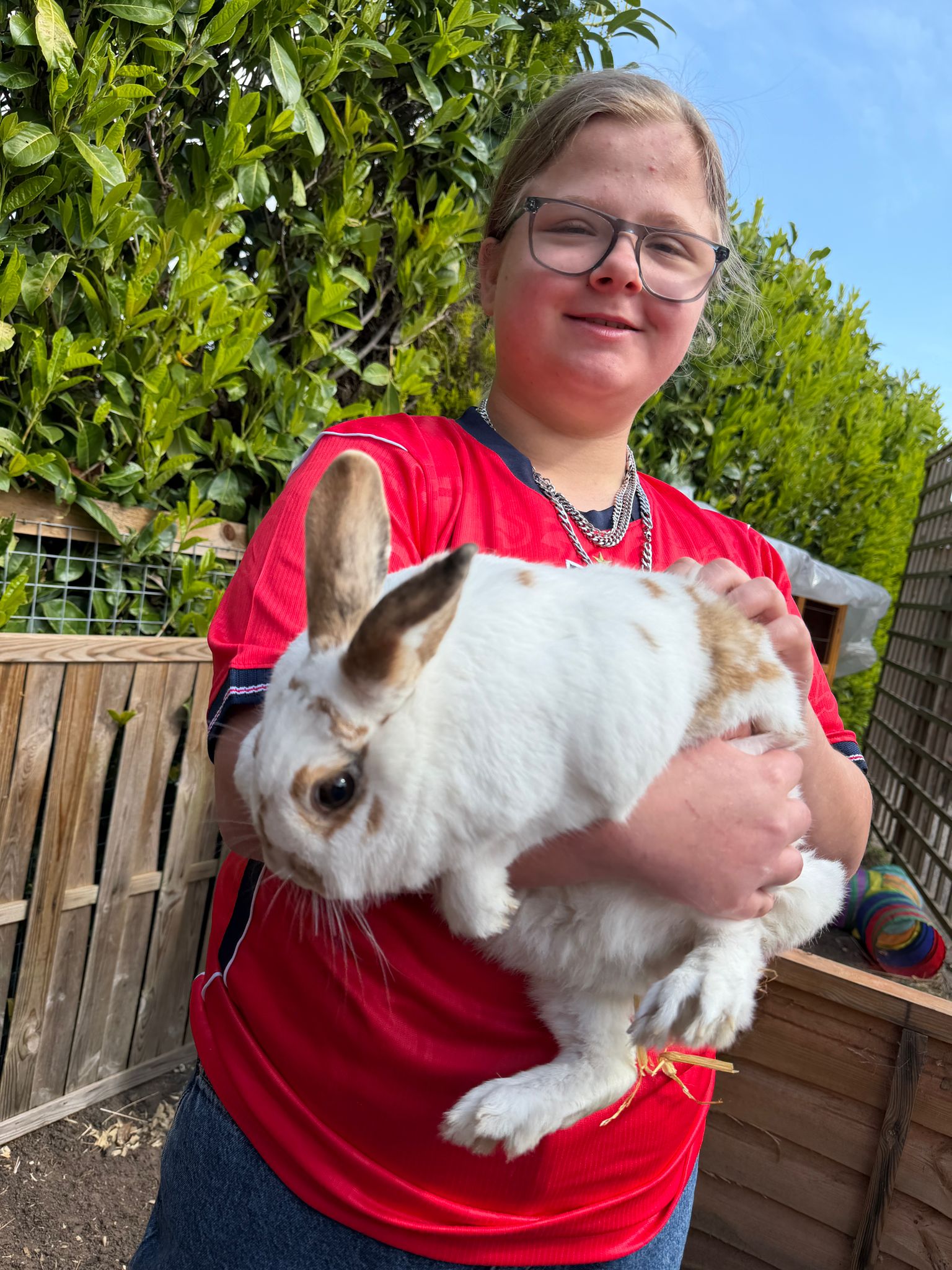
Rabbits

Honey, Artie, Flopsey, Mopsey & Topsey

Five loveable rabbits who live in a large outdoor enclosure and come out for handling sessions. Caring for them teaches routine, responsibility and patience.

🐰 Honey 🐰 Artie 🐰 Flopsey 🐰 Mopsey 🐰 Topsey
2 chinchillas

Chinchillas

Lily & Fidget

Lily and Fidget are soft, inquisitive and surprisingly fast. Caring for chinchillas teaches participants about specialist animal needs and the importance of gentle handling.

🐭 Lily 🐭 Fidget
PHOTO COMING SOON 4 degus

Degus

Daisy, Pansy, Cerys & Tulip

Social and highly active, our four degus love to explore and interact. Named after flowers, they're a firm favourite during small animal handling sessions.

🐀 Daisy 🐀 Pansy 🐀 Cerys 🐀 Tulip
PHOTO COMING SOON 3 chickens

Chickens

3 hens — colour-coded anklets

Our three hens each wear a different coloured anklet so participants can identify and track them individually. Collecting eggs and feeding the chickens is a popular part of the daily routine.

🔴 Red Anklet 🔵 Blue Anklet 🟢 Green Anklet
21
Animals in our care
6
Different species
Since
2021
Caring for animals on site

Want To Meet Them In Person?

The best way to meet our animals is to visit. Arrange a session and see how they interact with the people we support.